Friday, April 17, 2015

English Renaissance

The English Renaissance was a very long period that consisted of lots os "sub-periods". The early time of the English Renaissance was from 1550-1660. The design periods within this era were named after the rulers of England. This was also known as the age of oak because oak was the primary material used in design. One of the main styles associated with this era was the Tudor, the tudor marks the official beginning the English Renaissance. Tudor consisted of both architecture and furniture style. The architecture form of Tudor is known for timber framed construction.The furniture in this time was more sparse and the chairs were very box like.
Below is an image of a tudor style chair called a settle chair

A popular table style of this period were table with a thick wood top and 4 carved legs with heavy stretchers between each. Below is a picture of such a table called a gate leg table. 


Modern Application

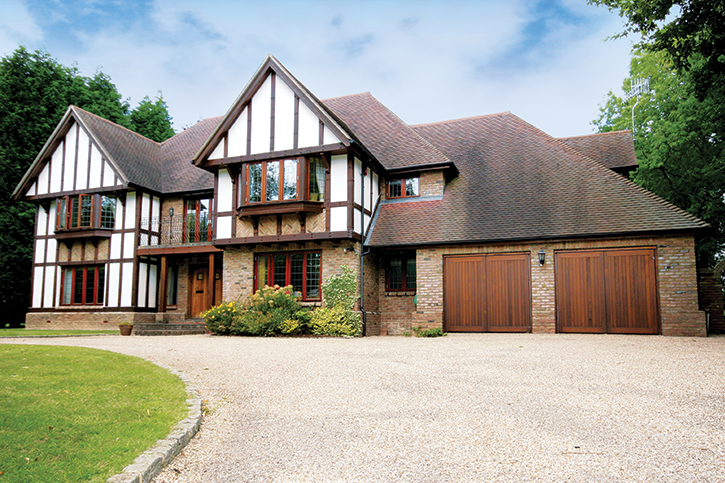
Today the Tudor style can be seen all over in modern forms. Below are a couple of images of a modern tudor style home. 


Peer Reviews:

The first blog I read was Paige Perry's. She did a really nice job explaining the different architecture and architects of the English Renaissance and showing really nice images of each. The second blog I looked at was Haley's. She explained the period thoroughly and gave plenty of information to review and learn more about this period. She also shared really nice photos!


Wednesday, April 1, 2015

French Renaissance (Extra Credit Post)

THis short video gives a little bit of a closer look at some of the details of French architecture:


French Renaissance

The French Renaissance was a time where the "royal taste" determined the style of the rest of the country and even world. The main features of the architecture in France were mansard roofs, large windows, 2 slopes with former windows, and many chimneys. It is in this era that  "the decorator" became an actual occupation and they were hired to design luxurious high quality spaces. During this time many magnificent chats were built and still stand today.

The Chateau Chambord Francois's royal hunting lodge located in Loire valley and is known as the larger and most magnificent chateau.

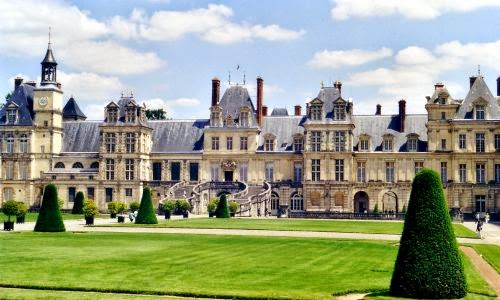
Chateau de Fontainbleaue is also a hunting lodge. In this chateau is the Galerie Francois which set the interior fashion idea for the time. Below is are images of both the Chateau and the Galerie Francois. 


One other Chateau that was built in this era was the Chateau de Blois, it features a more classic design and classical pilasters as well as entablatures and asymmetrical organization of the openings. 


Modern Application
This house features some french design features such as the dormers, mansard roof, and many chimneys. 

This home is also influenced by french as you can see in the multiple slopes and small dormer windows. It also has large first story windows and gardens. 


Peer Reviews:

I read Shannon's blog first, and I thought that she did a really nice job reviewing the French Renaissance. I loved the pictures of the various chateau's she posted and the modern application pictures she shared were really cool as well.  

The second blog I read was Alexandra's. She did a great job and I loved the pictures she posted. The modern examples were spot on of how the French Renaissance style is applied now. 


Saturday, March 21, 2015

Spanish Renaissance Extra Credit Post

Here is a video I found that gives a look at Alhambra, located in Granada Spain.

https://www.youtube.com/watch?v=iEseJViidy8


Wednesday, March 18, 2015

Spanish Renaissance

The Spanish period was a unique time period that was influenced by Moorish, Early Christian, Medieval and Italian design. This fusion of Christian Spain and Moorish is termed Mudejar. One of the main features of this design style is the use of wrought iron in so many of the design features, especially used in furniture and exterior grilles

There were a few different architectural phases during the Spanish renaissance. The first being the Plateresco phase, also called the silversmith phase. This phase was similar to Gothic or Renaissance in architectural style, and it also featured minute and delicate ornamentation that resembled the work of a silversmith. One example of a building contracted during this phase is the University of Salamanca located in west of Madrid.

The phase that immediately followed the Plateresco phase was the Desornamentado phase. This phase was a reaction the the heavily ornamental design of the Plateresco phase and is much more un-ornamented . This phase is known for its austerity and carefully defined proportions. One great example of this phase is El Escorial which was made to be an imitation of the Temple of Solomon from biblical times. El Escorial includes a palace and a religious house and is known as being a highly "moral" building and is known for its simplicity, sobriety, and plainness. In the picture below you can see that EL Escorial really is such a massive structure and so different from the Plateresco phase in its simplicity and careful proportions. 

The furniture from the Spanish period all have a common element in the use of wrought iron in almost all of the pieces from this time. Some of the pieces like the wooden bench are much more rustic than pieces from previous design periods. 


Modern Application 

Today, Spanish design is very popular and its influences can be seen all over the world. The first picture shows a modern application of the tile and wrought iron that was a key feature in the Spanish Renaissance 
Santiago Calatrava is a Spanish born architect and engineer who creates spectacular designs all over the world, below are pictures of bridge in Jerusalem that he created as well as a building he constructed in Valencia Spain. 


Peer Reviews: 

The first blog I read was Paige S's.  I really enjoyed her blog post, especially all the pictures she provided, it really displayed the time period well and showed a great understanding of all this period included. 

Secondly, I read Nicole K's blog. She also provided really good pictures to display the period accurately. I also really liked the video she posted of the furniture during the Spanish period. It gave a good review and showed the details of the main furniture pieces. 


Tuesday, March 3, 2015

Italian Renaissance (Extra Credit Post)


Here is a video that talks about how humanism was a main trigger to the Italian Renaissance.


http://www.history.com/topics/italian-renaissance/videos/humanism-triggers-the-renaissance?m=528e394da93ae&s=undefined&f=1&free=false


Italian Renaissance

Renaissance means a "rebirth and Floranece Italy is the home of this rebirth known throughout the world. The Italian renaissance took place from 1400-1600 and began after the return from the crusades. A big part of the Italian Renaissance was a switch from a religious to a secular emphasis as well as a movement toward humanism among the people of the time. During the Renaissance everyone was interested in art, and this really began the idea/profession of interior design. Homeowners now began to care about not just function and safety but wanted to add beauty and luxury to their homes; some of these touches included decorative moldings, elaborate coffered ceilings, elaborate frescos, and beautiful fireplace mantels.

The Palazzo Medici Riccardi is a famous building from the Italian Renaissance located in Florence Italy. This building really shows three guiding principles of this time period, they are as follows: 
-Symmetry
-Public rooms are located right off of entrance and private rooms are located deeper in the floor plan
- Dividing the Palazzo into multiple small apartments rather than one large space

Below are some pictures of the Palazzo Medici Riccardi in which you can see many of the features mentioned above such as the symmetry of the exterior, coffered ceilings, and an extravagant fresco. 


Modern Application


Here is an example of Palazzo inspired architecture. 

This interior is really inspired by the Italian Renaissance with its coffered ceiling and ornate fireplace. 


Peer Reviews:

I read Alexandra's blog post this week, I thought she did a great job giving a thorough explanation of what an Italian Renaissance interior consisted of and she posted very accurate pictures to further explain her point. 

I also read Mackenzie's blog on the Italian Renaissance. She gave a really good overview of the importance and characteristics of this time period. I also enjoyed her modern application pictures that she posted, I thought they accurately represented the timer period but in a new and modern way.